
### Overview of Common Energy-Saving HVAC Technologies for Garages
In an era where energy efficiency is becoming increasingly critical, upgrading the Heating, Ventilation, and Air Conditioning (HVAC) systems in garages can offer significant benefits. Schedule professional inspections annually for a thorough assessment Controlling Temperature and Humidity in Garages payment. Align the sensors to make sure the auto-reverse function operates correctly emergency garage door repair Manhattan extension cord. Often overlooked, garages are spaces that can contribute to overall household energy consumption. Implementing energy-saving HVAC technologies in these areas not only reduces utility bills but also enhances comfort and environmental sustainability.
One of the most effective ways to achieve energy savings in garage HVAC systems is through the use of programmable thermostats. These devices allow homeowners to set specific temperature schedules that align with their routines. For instance, there’s no need to heat or cool a garage during hours when it is typically unoccupied. By optimizing heating and cooling cycles, programmable thermostats prevent unnecessary energy usage and ensure that the garage environment remains comfortable only when needed.
Another pivotal technology involves high-efficiency heat pumps. Unlike conventional heaters or air conditioners that consume large amounts of electricity or gas, high-efficiency heat pumps transfer heat rather than generating it from scratch. This method requires significantly less energy and is particularly beneficial for moderate climates where extreme temperatures are rare. Heat pumps can provide both heating and cooling functions efficiently, making them versatile solutions for year-round garage climate control.
Insulation plays a crucial role as well in enhancing the performance of any HVAC system in a garage setting. Proper insulation helps maintain desired temperatures by preventing unwanted heat exchange between the inside of the garage and the outdoors. Installing insulated doors and sealing gaps around windows or other openings minimizes thermal losses, ensuring that any conditioned air stays within the space longer. This reduces strain on HVAC units, leading to lower operational costs and prolonged equipment lifespan.
Additionally, ventilation systems equipped with Energy Recovery Ventilators (ERVs) can be highly advantageous for garages used as workshops or hobby spaces where contaminants like dust or fumes may be present. ERVs work by exchanging stale indoor air with fresh outdoor air while transferring heat between incoming and outgoing air streams. This process preserves indoor temperature conditions without wasting energy on reheating or re-cooling incoming fresh air.
### Benefits of Upgrading HVAC Systems in Garages
When we consider the spaces within our homes that could benefit from energy-efficient upgrades, garages often get overlooked. However, upgrading HVAC systems in garages presents a unique opportunity for substantial energy savings and comfort improvements that can significantly enhance your daily life and reduce your carbon footprint.
First and foremost, efficiency is one of the most compelling benefits of modern HVAC systems. Traditional heating and cooling units tend to consume excessive amounts of energy due to outdated technology or wear and tear over time. Newer models are designed with advanced features such as variable speed compressors, smart thermostats, and improved insulation materials that optimize energy use. This means they can maintain desired temperatures while consuming less power, resulting in lower utility bills.
Furthermore, an upgraded HVAC system contributes positively to environmental sustainability. Reduced energy consumption translates directly into fewer greenhouse gas emissions. Given the increasing awareness of climate change and its impacts, making eco-friendly choices in home improvement projects is more important than ever.
Comfort is another critical factor driving the need for HVAC upgrades in garages. Whether you use your garage as a workshop, gym, or additional living space, maintaining a comfortable temperature year-round can vastly improve its usability. Modern HVAC systems provide consistent heating during frigid winters and efficient cooling during hot summers. Enhanced air filtration also helps minimize dust and allergens, creating a healthier environment overall.
Moreover, an efficient HVAC system adds value to your property. As potential buyers increasingly prioritize energy efficiency when shopping for homes, having an upgraded system can be a selling point that sets your property apart from others on the market. It demonstrates foresight in home maintenance and appeals to those looking for long-term savings.
Another often-overlooked benefit is noise reduction.
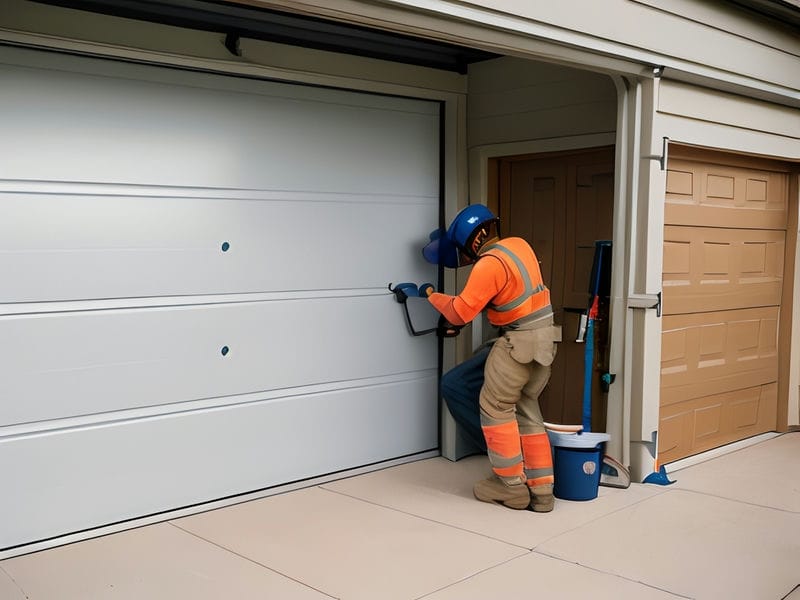
When planning for professional HVAC installations in garages, it is essential to weigh cost considerations against the long-term investment value.. This balance not only ensures financial prudence but also enhances safety and usability over time.
Initially, the upfront costs of installing a high-quality HVAC system in a garage can seem daunting.
Posted by on 2024-06-22
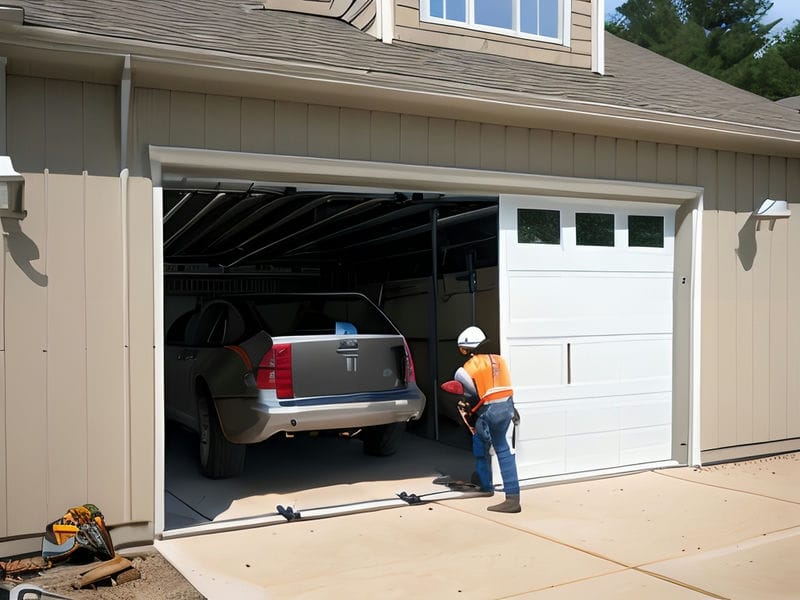
The bustling borough of Manhattan, with its iconic skyline and relentless pace, demands that every aspect of urban living is optimized for efficiency and comfort.. One often overlooked yet crucial component of this optimization pertains to garage spaces—integral parts of residential buildings, commercial complexes, and even standalone structures.
Posted by on 2024-06-22
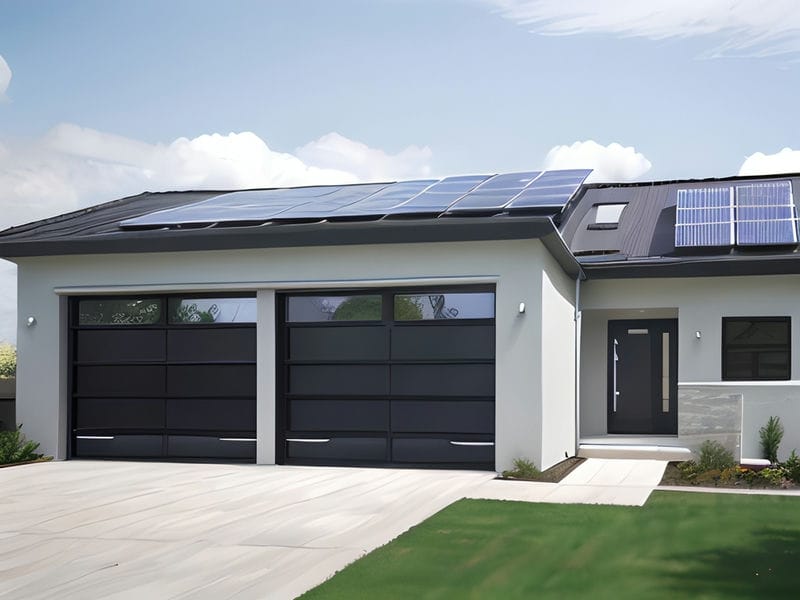
Maintaining an efficient HVAC system in Manhattan garages is crucial for ensuring optimal energy use, reducing utility costs, and promoting a comfortable environment.. Given the unique urban landscape of Manhattan, where every square foot counts and energy efficiency is paramount, implementing energy-saving tips can make a significant difference.
Posted by on 2024-06-22
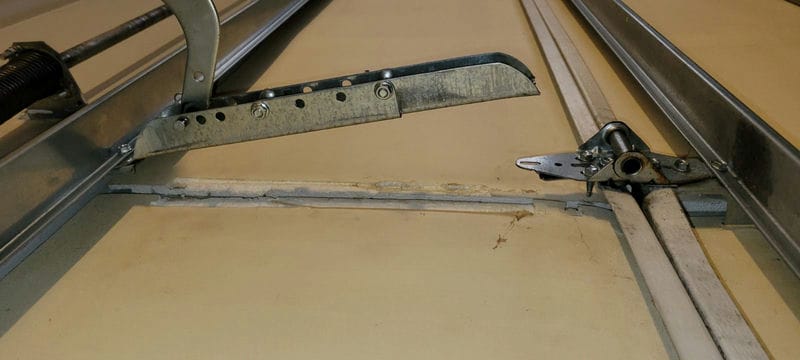
### Tips for Selecting and Maintaining an Efficient HVAC System for Your Garage: How Efficient HVAC Can Prevent Garage Door Issues in Manhattan
When it comes to maintaining a functional and comfortable garage, many homeowners focus on insulation, organization, and security.. However, one aspect that often gets overlooked is the importance of an efficient HVAC system.
Posted by on 2024-06-22
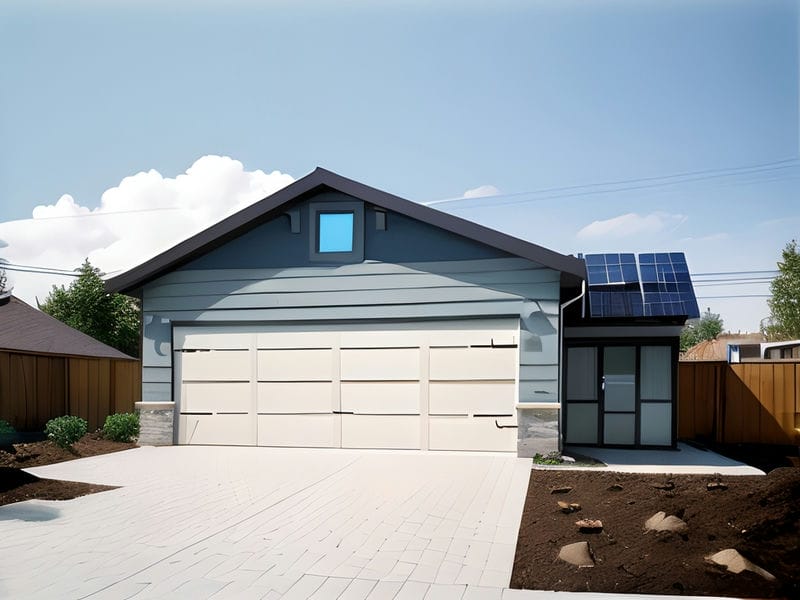
Maintaining a well-functioning HVAC system in your garage is crucial, especially in bustling urban areas like Manhattan where space and air quality are often at a premium.. The importance of proper ventilation cannot be overstated—it ensures that the air remains clean, minimizes health risks, and promotes efficient operation of your heating, ventilation, and air conditioning (HVAC) systems.
Posted by on 2024-06-22
In the pursuit of energy efficiency and cost savings, many homeowners often overlook one key area: the garage. While it may not be the primary living space, maintaining an efficient Heating, Ventilation, and Air Conditioning (HVAC) system in your garage can contribute significantly to overall household energy savings. Here are some cost-effective energy-saving tips for existing HVAC systems that can make a substantial difference.
Firstly, regular maintenance is crucial for any HVAC system's longevity and efficiency. Simple tasks such as replacing or cleaning air filters every few months can prevent clogs that force the system to work harder than necessary. Dust and debris accumulation on filters impede airflow, making the unit consume more power to maintain desired temperatures. By ensuring filters are clean, you help maintain optimal airflow and reduce energy consumption.
Next, consider installing a programmable thermostat specifically for your garage. This allows precise control over temperature settings based on usage patterns. For instance, if your garage also serves as a workshop used mainly during weekends, programming the thermostat to lower heating or cooling during weekdays can lead to significant savings without compromising comfort when needed.
Sealing gaps and insulating your garage is another effective method to reduce unnecessary energy expenditure. Weather stripping doors and windows helps keep conditioned air inside while preventing outdoor air from infiltrating the space. Additionally, insulating walls and ceilings creates a thermal barrier that aids in maintaining consistent temperatures with less reliance on HVAC systems.
Moreover, zoning systems present an impactful yet often overlooked upgrade for garages with integrated HVAC setups. Zoning enables different areas of a home to be heated or cooled independently according to specific needs rather than conditioning unoccupied spaces equally. Implementing zoning ensures that only occupied zones like workshops or storage areas receive adequate climate control while conserving energy elsewhere.
Upgrading older thermostats could also yield considerable benefits in terms of ease-of-use alongside improved accuracy in temperature regulation – both features contributing towards enhanced overall efficiency at minimal extra cost compared with complete system overhauls where feasible under budget constraints still applicable here too!
Another critical aspect involves optimizing ventilation within these enclosed environments which frequently suffer poor circulation leading potential hotspots developing further exacerbated by machinery usage common amongst hobbyists alike! Ensuring proper vent placement coupled inline exhaust fans strategically positioned disperses buildup heat thereby reducing strain placed upon centralized units simultaneously improving ambient working conditions therein ultimately lowering operational costs long-term basis accordingly!
Finally exploring renewable options shouldn't go amiss particularly photovoltaic solar panels generating electricity offsetting utility bills whilst promoting environmentally friendly practices highly recommended especially larger garages offering ample surface area installation purposes thus maximizing return investment significantly bolstering sustainability credentials conscientiously considered all aspects combined together harmoniously achieving desired outcomes efficiently economically effectively indeed!!
By implementing these practical yet cost-effective measures tailored specifically toward optimizing existing residential-garage-based HVAC solutions owners stand benefit immensely realizing tangible improvements encompassing financial environmental perspectives alike making worthwhile endeavor deserving serious consideration proactive approach adopted respective circumstances encountered comprehensive manner assuredly!
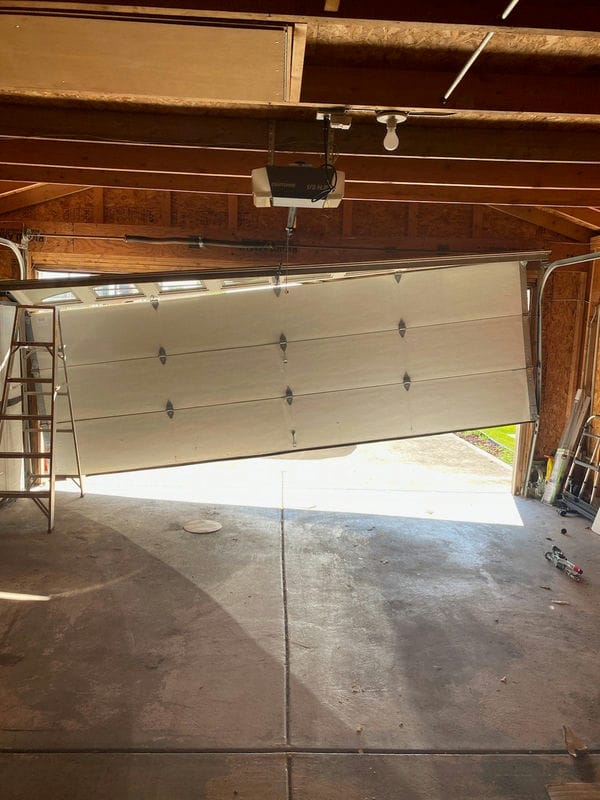
### Case Studies on Successful Garage HVAC Upgrades
In the quest for energy efficiency, homeowners often overlook their garages. These spaces, typically used for car storage and miscellaneous household items, can significantly benefit from Heating, Ventilation, and Air Conditioning (HVAC) upgrades. While the primary focus usually remains on living spaces, recent case studies have shed light on how upgrading garage HVAC systems can lead to substantial energy savings.
#### The Johnson Family: A Comprehensive Overhaul
The Johnson family in suburban Colorado embarked on an ambitious project to make their home more energy-efficient. Their garage was notorious for being a heat trap in summer and a cold cave in winter. They decided to install a mini-split heat pump system tailored specifically for the garage space.
This upgrade had multiple advantages. First, it provided precise temperature control without relying heavily on the main household HVAC system. Second, it offered significant reductions in energy consumption compared to traditional heating methods like space heaters or standalone air conditioning units. Over six months of monitoring utility bills post-upgrade, the Johnsons observed a 15% reduction in overall energy costs.
Moreover, this upgrade allowed them to use the garage year-round as a multipurpose space—becoming not just a storage area but also a workshop and recreational room. The increased usability added both functional value and improved quality of life for the family.
#### The Martinez Workshop: Insulation and Ventilation Synergy
Carlos Martinez runs a small woodworking business out of his detached garage in Texas. For years he struggled with extreme temperatures that affected both his comfort and productivity. After consulting with an HVAC specialist, he opted for comprehensive insulation combined with an advanced ventilation system.
Insulating walls and ceilings minimized thermal loss while ensuring that any conditioned air remained inside longer. Coupled with exhaust fans designed to remove sawdust-laden air efficiently without compromising indoor temperatures, Carlos achieved an optimal working environment.
Notably, these upgrades led to nearly 20% less electricity usage during peak summer months when cooling demands were highest—a clear indicator of enhanced energy efficiency. Additionally, better air quality resulted from effective particulate removal by the upgraded ventilation system.
#### Community Garage: Solar Integration
A community-based project focused on retrofitting shared garages within an apartment complex in California illustrates another successful approach—integrating solar power into HVAC upgrades. Each unit was equipped with solar panels feeding into high-efficiency electric heating pumps specifically designed for variable occupancy patterns common in shared facilities.
The results were remarkable; residents reported consistent temperatures throughout seasons while benefiting from lower communal utility bills due to reduced grid dependency—thanks largely to harnessing renewable solar energy effectively paired with efficient HVAC technologies.
### Conclusion
These case studies underscore that strategic HVAC upgrades specific to garages offer notable benefits ranging from lower energy bills and enhanced comfort levels to improved functionality of underused spaces like workshops or communal areas. As technology advances continue making such solutions more accessible and affordable than ever before—homeowners should consider investing time into understanding potential gains from upgrading their garage’s climate control systems as part of broader efforts toward achieving holistic household energy efficiency.
Choosing the right HVAC system for your garage is a critical step in achieving energy efficiency and comfort. Garages, often overlooked in terms of climate control, can benefit immensely from an appropriate HVAC upgrade, particularly if they double as workshops or storage spaces for temperature-sensitive items. Here’s how to make an informed decision on selecting the best energy-saving HVAC system for your garage.
First and foremost, consider the size of your garage. The square footage will determine the capacity needed for effective heating and cooling. An undersized unit will struggle to maintain desired temperatures, while an oversized one may cycle on and off too frequently, leading to wasted energy and wear on components. Conducting a load calculation or consulting with a professional can help you find the perfect balance.
Insulation plays a pivotal role in enhancing HVAC efficiency. Before installing any system, ensure that your garage is well-insulated. This includes walls, ceiling, doors, and even windows if present. Proper insulation reduces heat loss during winter and keeps cool air in during summer months, allowing your HVAC system to operate more efficiently.
Next, explore different types of HVAC systems suitable for garages:
1. **Ductless Mini-Split Systems**: These are highly efficient units ideal for spaces where extending ductwork is impractical. They provide both heating and cooling options while allowing zoned temperature control.
2. **Portable Heating/Cooling Units**: Although not as efficient as permanent systems, portable units can be an affordable temporary solution.
3. **Radiant Heaters**: Perfect for targeted heating without warming up the entire space unnecessarily.
4. **Window Air Conditioners**: Useful if your garage has windows capable of accommodating these units; however, their heating capabilities might be limited.
Energy efficiency ratings should be a top consideration when choosing any HVAC equipment. Look for units with high SEER (Seasonal Energy Efficiency Ratio) ratings for air conditioners or heat pumps and high AFUE (Annual Fuel Utilization Efficiency) ratings for furnaces. Higher-rated models may have higher upfront costs but offer significant savings over time through reduced energy bills.
Additionally, smart thermostats can greatly enhance the efficiency of your garage's climate control system by learning your usage patterns and optimizing performance accordingly.
Ventilation is another aspect that shouldn’t be ignored; proper airflow prevents moisture build-up which could lead to mold growth or rusting tools/equipment stored within the garage.
Lastly, think about future maintenance needs when selecting an HVAC system—choose models from reputable manufacturers known for reliability and ease-of-service access so upkeep doesn’t become burdensome down-the-line
In conclusion , selecting rightHVAC System involves careful assessmentof several factors includinggarage sizeinsulation levelstypes availableenergy-efficiency ratingventilation considerationand long-term maintenance requirements By doing thorough researchand possibly consulting professionalsyou’ll ensure comfortableenergy-efficient environmentfor years come
**Maintenance Practices to Enhance Energy Efficiency in Energy-Saving HVAC Upgrades for Garages**
The ever-growing emphasis on sustainability and energy efficiency is driving significant advancements in a variety of sectors, including residential spaces. Among these, garages have traditionally been overlooked when it comes to energy-efficient heating, ventilation, and air conditioning (HVAC) solutions. However, evolving technologies and increasing awareness about environmental impacts are now spotlighting the importance of implementing energy-saving HVAC upgrades in these often-neglected spaces. This essay explores future trends in energy-efficient garage HVAC solutions that promise not only to reduce carbon footprints but also to enhance comfort and cost savings for homeowners.
One prominent trend shaping the future of garage HVAC systems is the integration of smart technology. Smart thermostats and sensors are becoming more sophisticated, enabling precise control over temperature and humidity levels within garages. These devices learn user behaviors and adjust settings automatically to optimize energy use without sacrificing comfort. For instance, during periods of low usage or absence from home, smart systems can lower heating or cooling output, thus conserving energy.
Furthermore, advancements in insulation materials are playing a crucial role in improving the thermal efficiency of garages. Traditional garages often suffer from poor insulation which leads to significant heat loss during winters and heat gain during summers. Innovative insulation materials such as spray foam or reflective barriers can significantly mitigate this issue by creating a more stable internal environment that requires less active heating or cooling.
Another key development is the increased adoption of ductless mini-split systems. Unlike conventional ducted systems that may be inefficient for smaller or irregularly used spaces like garages, mini-splits offer direct control over specific zones without the need for extensive ductwork. They are highly efficient because they minimize energy losses associated with ducts while providing customizable climate control tailored to individual needs.
Renewable energy sources are also making their mark on garage HVAC solutions. Solar-powered HVAC units represent a sustainable option that leverages abundant solar energy to power heating and cooling systems. Integrating photovoltaic panels with advanced battery storage allows homeowners to harness solar power even when direct sunlight isn't available, reducing dependency on grid electricity and cutting down utility bills.
Ventilation remains another critical aspect where future trends are making headway. Energy recovery ventilators (ERVs) are becoming increasingly popular as they efficiently manage indoor air quality by exchanging stale indoor air with fresh outdoor air while retaining most of the heat (or coolness) captured from exhaust air streams. This process ensures a continuous supply of fresh air without incurring high-energy costs typically associated with traditional ventilation methods.
Lastly, environmentally friendly refrigerants are gaining traction due to regulatory changes aimed at phasing out ozone-depleting substances found in older HVAC systems. Newer models utilize refrigerants with lower global warming potential (GWP), aligning with broader goals for reducing greenhouse gas emissions.
In conclusion, the realm of garage HVAC solutions is undergoing transformative changes driven by technological innovations and growing environmental consciousness. The convergence of smart technology, enhanced insulation materials, ductless mini-split systems, renewable energy sources like solar power, advanced ventilation techniques like ERVs, and eco-friendly refrigerants heralds a new era of energy-efficient upgrades for garages. As these trends continue to evolve and mature, they hold tremendous promise for delivering substantial economic benefits alongside meaningful contributions towards sustainable living practices.